
Category: Blog
-
Compassion fatigue is the specific cost of caring, at close range, for suffering you can only partly fix. It has a name, and the name matters.
-
Compassion fatigue is the specific cost of repeated exposure to suffering you can only partly fix. It is not the same as being tired, and it is not the same as not caring enough.
-
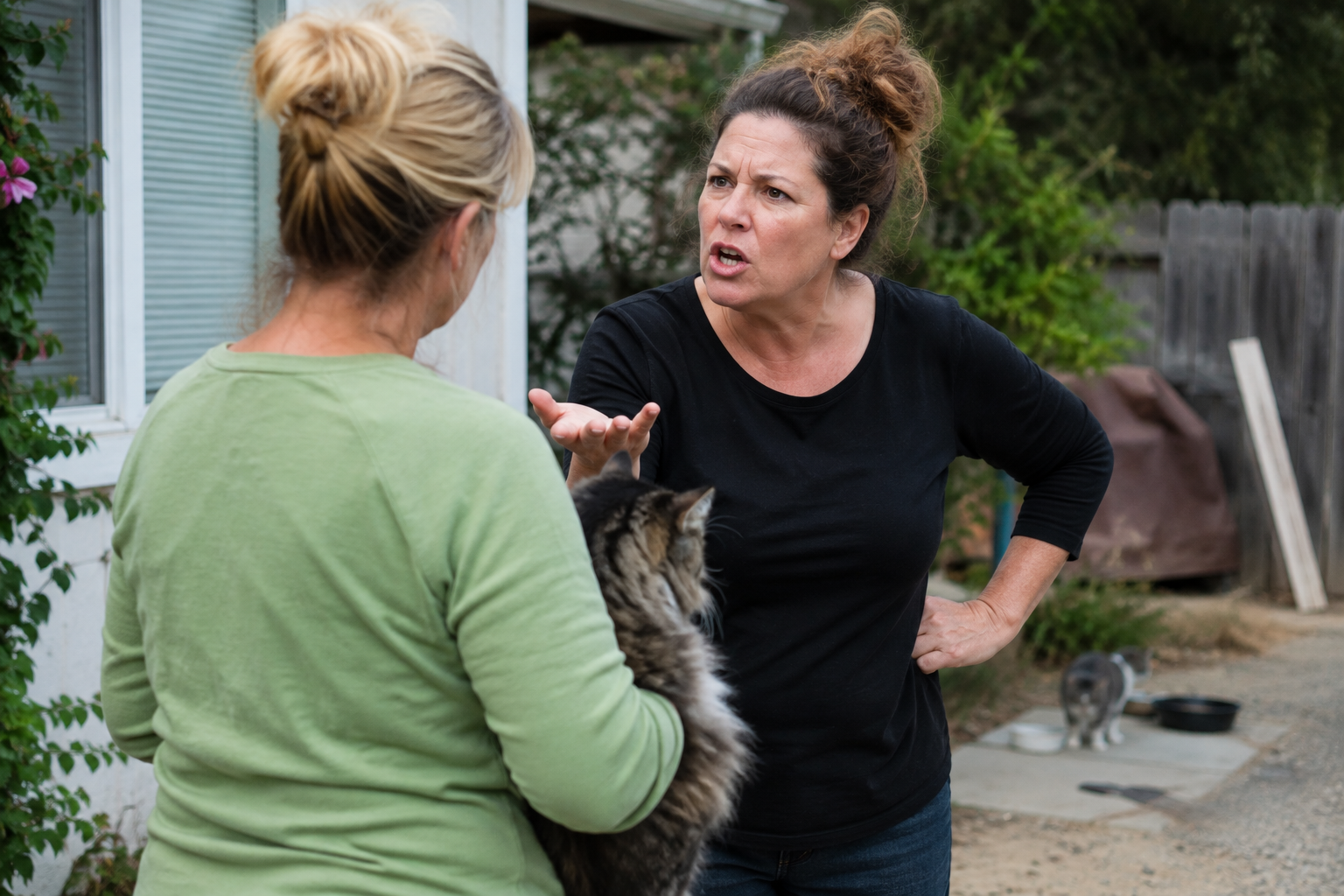
A colony can be perfectly managed and still generate an angry neighbor, and how you handle that conversation determines whether the cats keep their site. Usually the complaint is real and fixable, and TNR has already solved half of it.
-

Funders do not fund good intentions, they fund demonstrated outcomes, and most small rescues are doing the work without capturing the proof. The numbers that win applications are ones you can start collecting today.
-
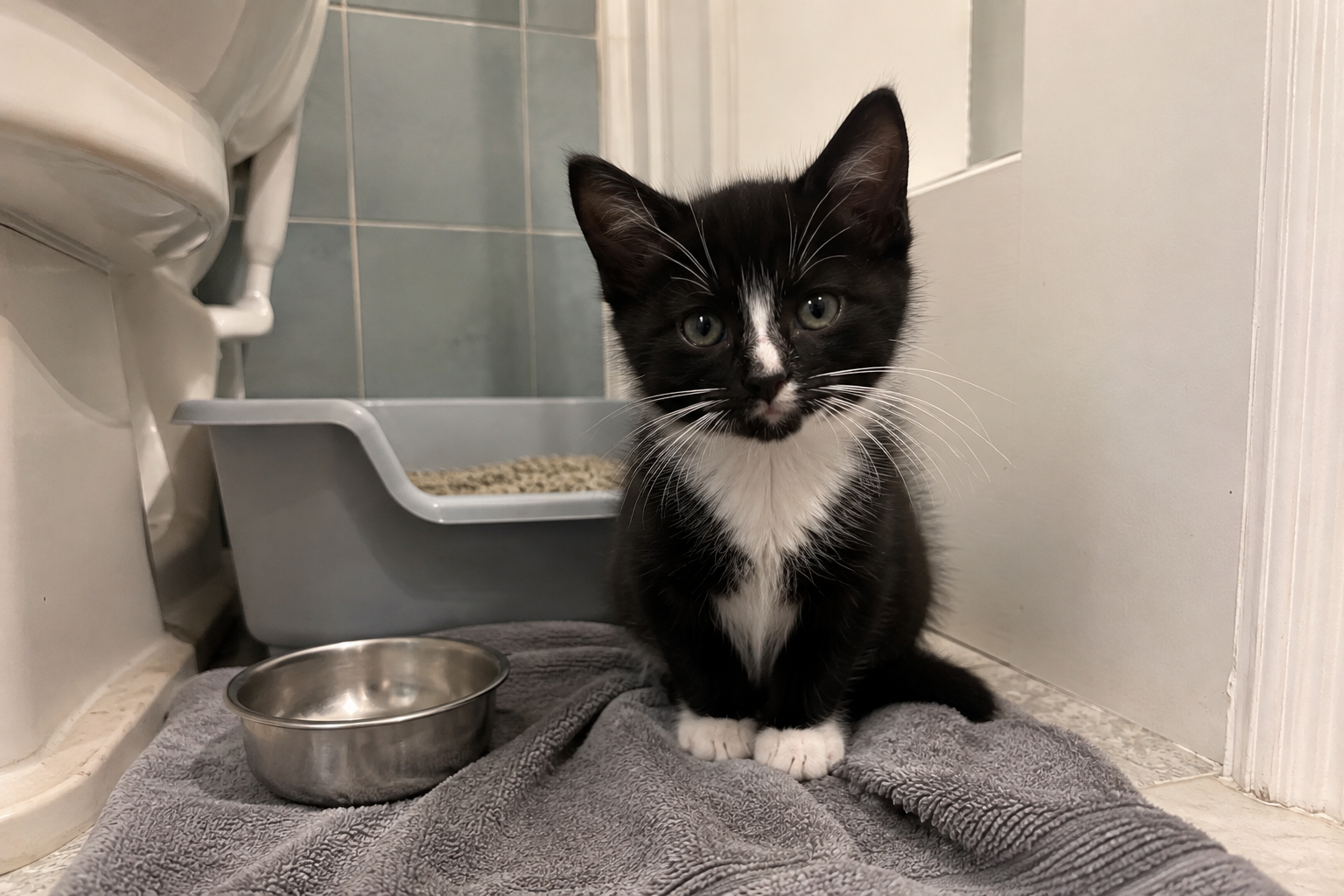
The new arrival looks perfectly healthy, so it goes straight in with everyone else. That is how a foster home loses a litter. Here’s a quarantine routine that is realistic for a house, not a shelter, and why two weeks is the number.
-
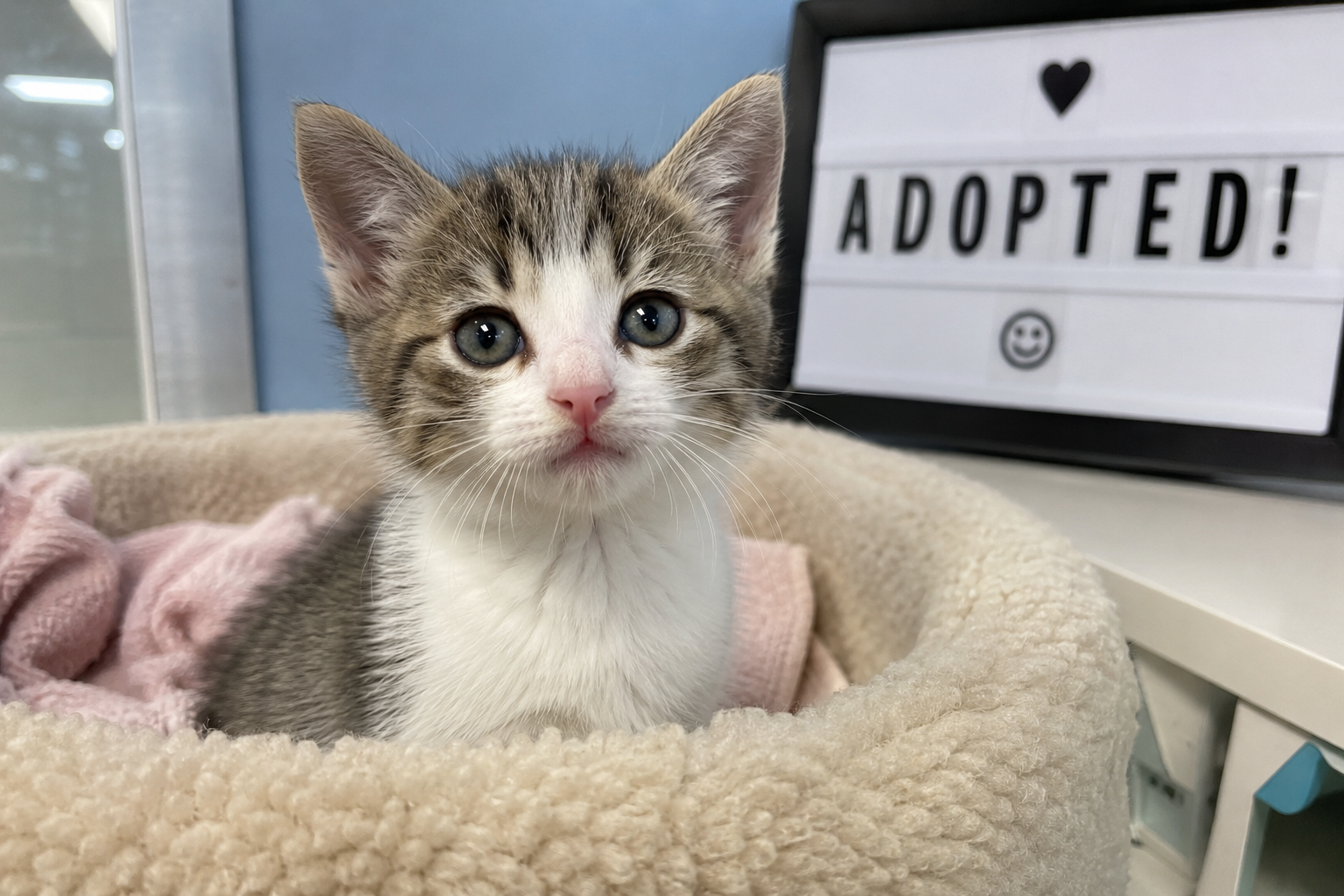
Two cats, equally lovely, and one sits for months while the other is gone in a week. Often the only difference is how they were written up. Here’s what makes an adoption profile work, including the honesty that feels risky and isn’t.
-
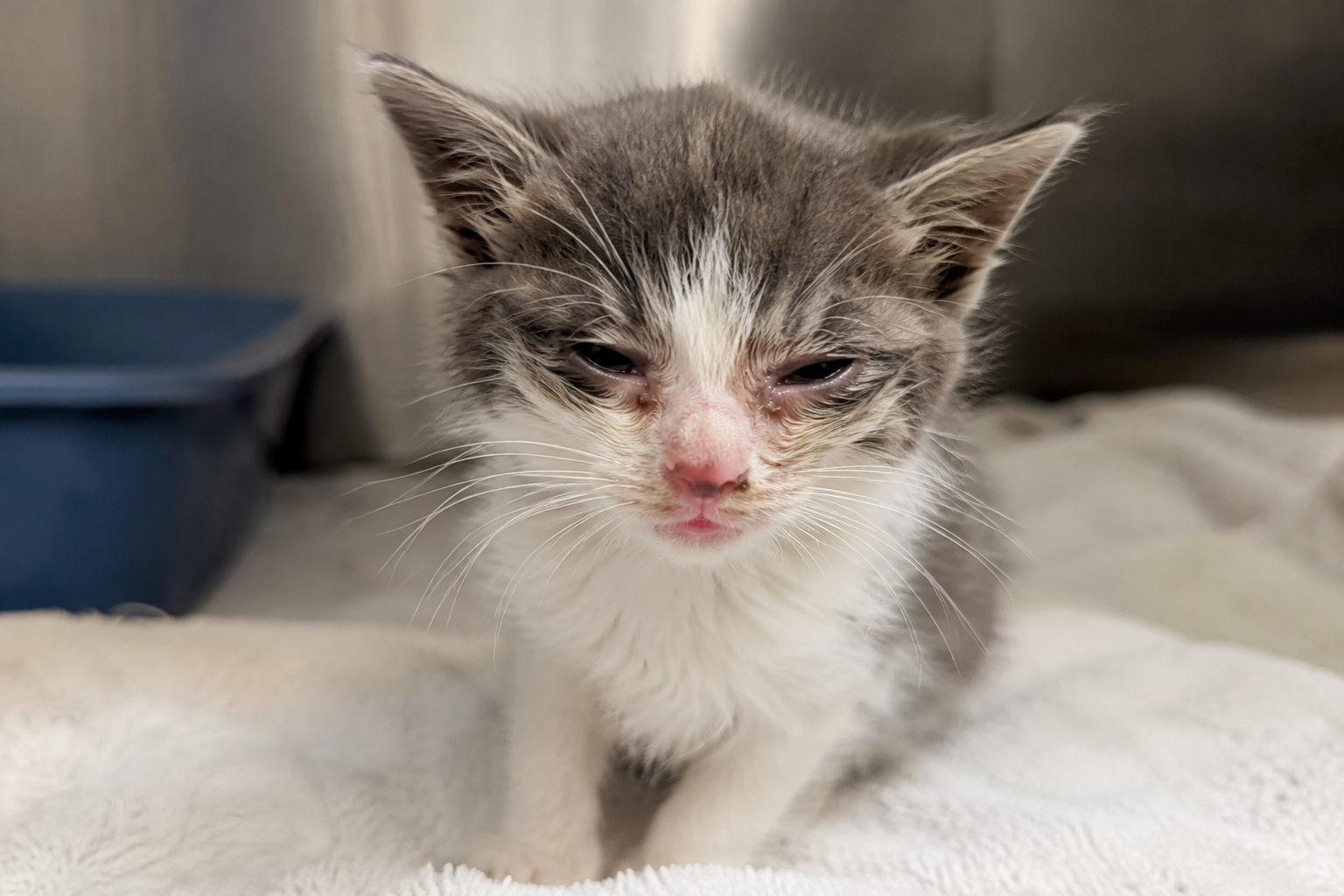
If you foster or run intakes, URI is the thing you will see most. It is usually manageable and occasionally an emergency, and the line between those two is simpler than people expect: whether the cat is still eating. Here are the signs, the home care, and the point where it becomes a vet call.
-

Small rescues run on generosity, and losing track of who gave what costs you more than money. It costs thank-yous, tax receipts, and the repeat donors that keep the lights on. Here’s a simple way to track giving without a finance degree.
-
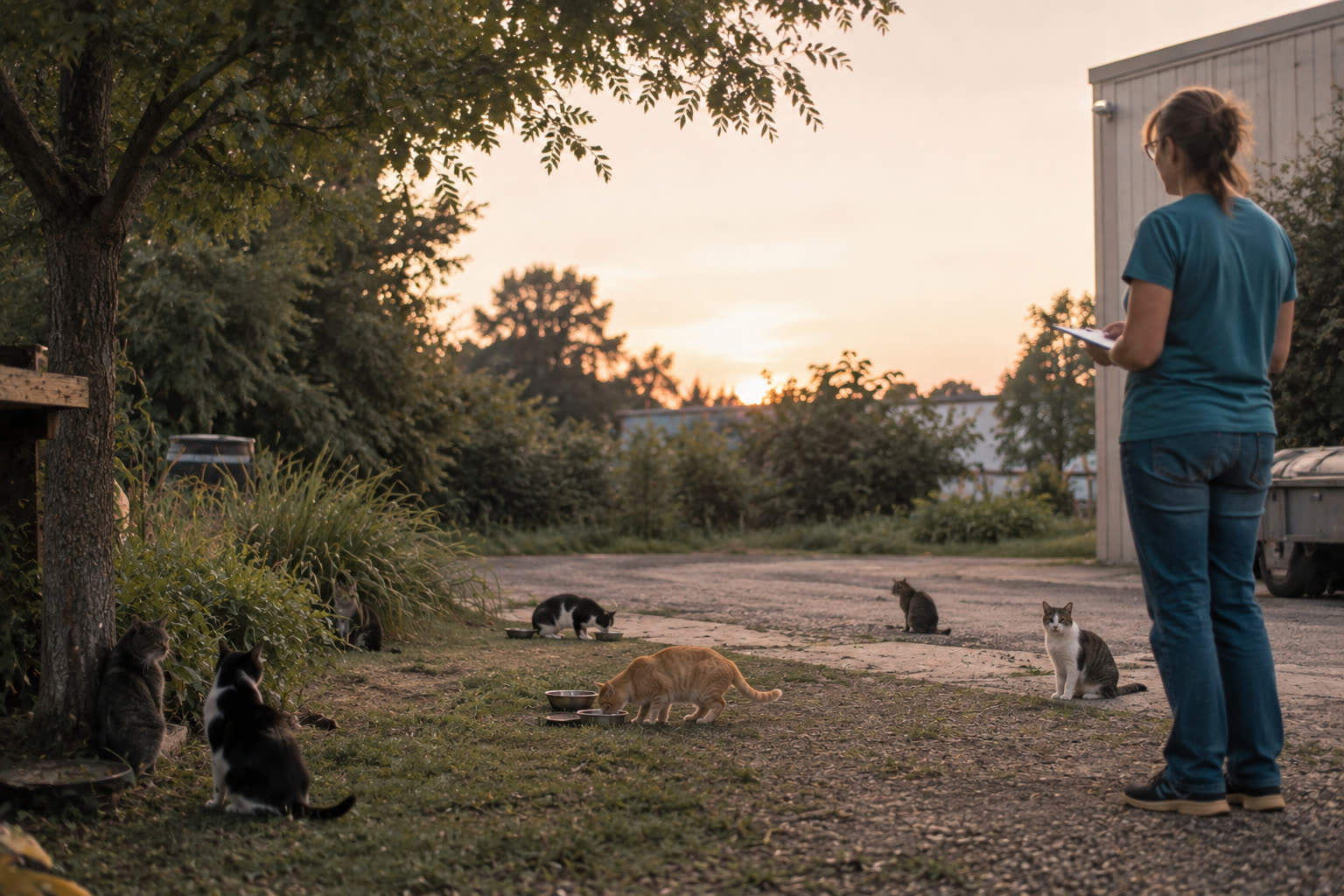
“About a dozen?” isn’t a number you can act on. A real colony census, tracked over time, tells you whether TNR is working, catches new arrivals early, and makes your case to funders. Here’s how to count, and why the trend matters more than the total.
-
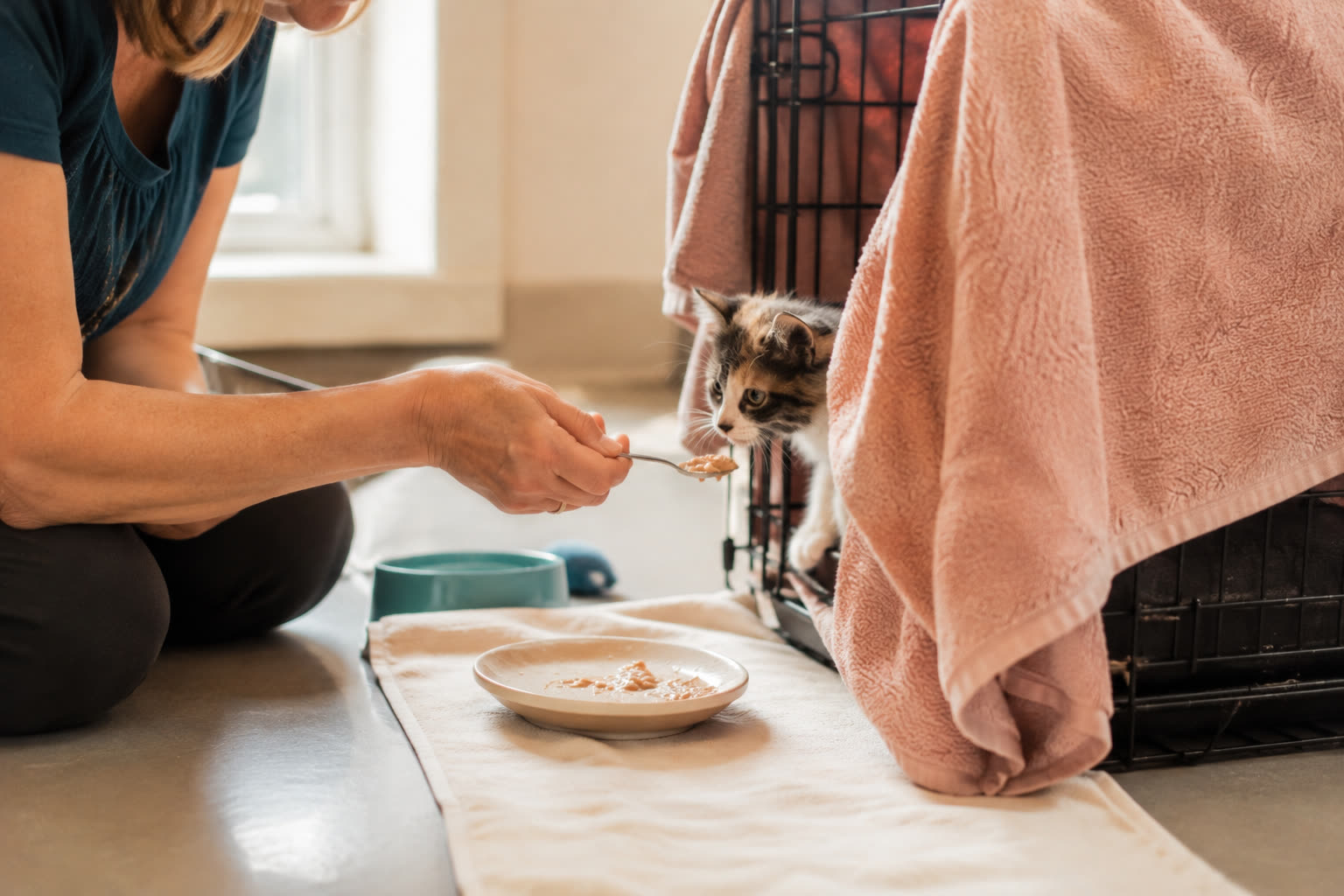
Caught early enough, a hissing, spitting feral kitten can become a purring lap cat. Caught late, it’s much harder. Here’s the socialization window that matters, and a realistic timeline for turning fear into trust.